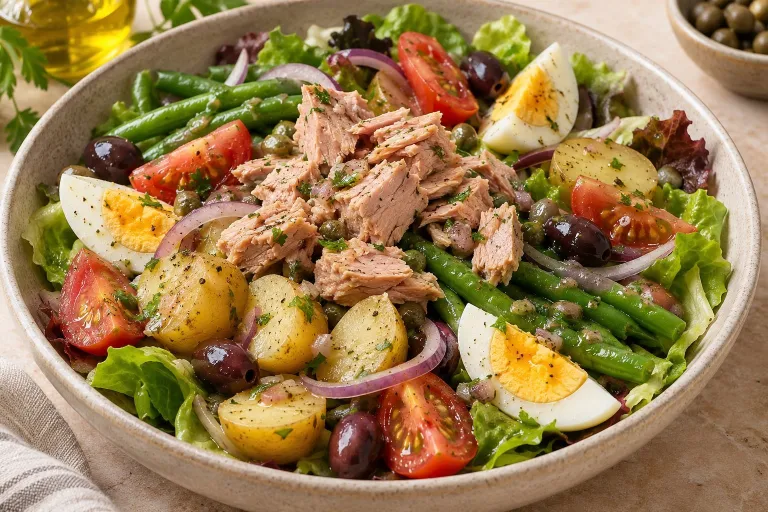
A tomato salad in August and a tomato salad in February are two completely different meals. One is sweet, juicy and fragrant; the other is pale, watery and expensive. Cooking with the seasons is the simplest way to make salads taste better, cost less and stay interesting all year. This guide is packed with seasonal salad ideas for spring, summer, autumn and winter: which produce is at its best each season, what to pair it with, how to adapt dressings and proteins, and a few favorite combinations for each time of year.
The seasons below are for the Northern Hemisphere and temperate climates such as most of North America and Europe. Local timing varies by a few weeks, so let your market or supermarket specials be your guide: when something is suddenly plentiful and cheap, it’s in season.
Why seasonal salads taste better
Fruits and vegetables picked at the peak of their season are usually harvested riper and travel shorter distances, so they have more flavor and better texture. Out-of-season produce is often picked early to survive long journeys and ripens off the plant, which costs it sweetness and aroma. Seasonal produce is also typically cheaper because there’s more of it.
There’s a nutrition angle too. Some vitamins, like vitamin C and folate, break down over time after harvest. Produce that reaches you quickly can hold onto more of them. And eating with the seasons naturally rotates the vegetables you eat, which gives you a wider range of nutrients over a year.
Finally, it keeps you from getting bored. If you’ve ever tired of salads, it may be because you’ve been eating the same lettuce, cucumber and tomato combination 52 weeks a year.
Spring salad ideas (March to May)
Spring is about tender, green and fresh. After months of roots and cabbages, the first shoots and leaves feel like a treat.
In season in spring
- Greens: baby spinach, arugula, watercress, pea shoots, butter lettuce, spring onions, chives
- Vegetables: asparagus, peas, snap peas, radishes, new potatoes, artichokes, fava beans, baby carrots
- Herbs: mint, dill, parsley, chervil, tarragon
- Fruit: early strawberries and rhubarb toward late spring
How to build a spring salad
Keep things light and bright. Blanch asparagus and peas for a minute or two so they stay vivid green and crisp, then shock them in cold water. Shave radishes thinly. Toss everything with soft herbs and a lemony vinaigrette. Proteins that suit spring are delicate: eggs, salmon, shrimp, chicken and fresh cheeses like goat cheese or feta.
Three spring combinations
- Asparagus, egg and parmesan with arugula and a Dijon vinaigrette: a classic French bistro flavor.
- Snap pea, radish and mint with feta and lemon, plus chicken or edamame for protein.
- New potato, dill and smoked salmon with cucumber and a yogurt herb dressing.
Summer salad ideas (June to August)
Summer is the easy season: everything is ripe, colorful and needs very little done to it. It’s also when you want cold, crunchy, hydrating meals.
In season in summer
- Vegetables: tomatoes, cucumbers, zucchini, bell peppers, corn, green beans, eggplant, fennel, chilies
- Greens: romaine, little gem, iceberg, basil and other leafy herbs
- Fruit: strawberries, blueberries, raspberries, peaches, nectarines, cherries, watermelon, melon, apricots
- Herbs: basil, cilantro, mint, oregano, parsley
How to build a summer salad
Let the produce do the work. Good tomatoes need only salt, olive oil and basil. Grill corn, zucchini and peppers for smoky sweetness. Fruit belongs in summer salads: watermelon with feta and mint, peaches with mozzarella, strawberries with spinach and balsamic. Use punchy, acidic dressings with lime, lemon or vinegar to balance the sweetness.
Summer is also the season for no-cook proteins: canned tuna, ready-cooked shrimp, chickpeas, black beans and fresh mozzarella. Fire up the grill for chicken or salmon and cook extra for tomorrow’s lunch.
Four summer combinations
- Watermelon, cucumber, feta and mint with a lime and olive oil dressing; add shrimp for protein.
- Peach caprese: peaches, tomatoes and mozzarella with basil and balsamic.
- Southwest corn salad with black beans, peppers, avocado and lime-cilantro dressing.
- Greek village salad with ripe tomatoes, cucumber, peppers, olives and feta: the ultimate summer salad.
Light, fresh salads under 400 calories


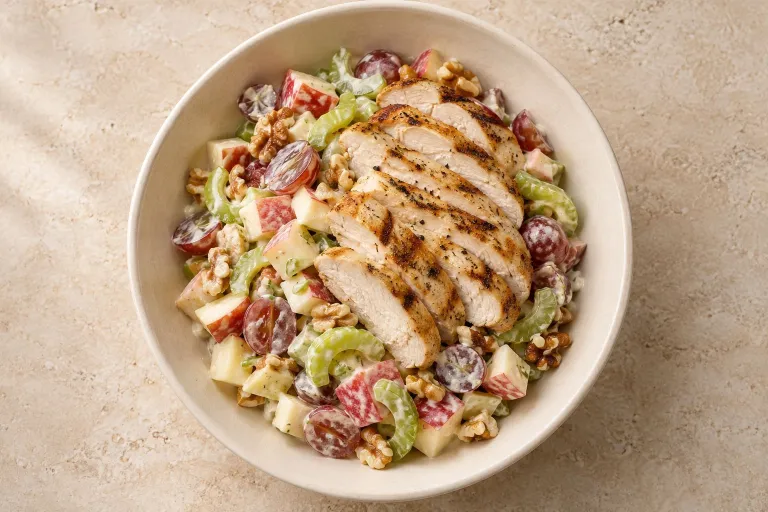
Autumn salad ideas (September to November)
Autumn brings heartier, earthier flavors and the first warm salads. It’s a great season for grain bowls and roasted vegetables.
In season in autumn
- Vegetables: squash, pumpkin, sweet potatoes, beets, carrots, cauliflower, broccoli, Brussels sprouts, mushrooms, celery, fennel
- Greens: kale, chard, radicchio, endive, arugula
- Fruit: apples, pears, figs, grapes, cranberries, pomegranates
- Nuts: walnuts, pecans, hazelnuts, chestnuts
How to build an autumn salad
Roast your vegetables. Squash, sweet potato, beets and cauliflower become sweet and caramelized at 200–220 °C (400–425 °F), and they’re delicious warm on a bed of kale or arugula. Bitter leaves like radicchio and endive balance sweet fruit beautifully. Add whole grains, such as wild rice, farro or quinoa, and toasted nuts for a salad that feels like a proper autumn meal. Maple-cider and balsamic vinaigrettes are perfect here.
Four autumn combinations
- Harvest apple and walnut with arugula, cranberries, goat cheese and a maple-cider vinaigrette.
- Roasted beet and goat cheese with lentils, walnuts and balsamic.
- Wild rice harvest bowl with apple, celery, pecans, spinach and chicken.
- Pear, arugula and parmesan with salmon or chickpeas.
Winter salad ideas (December to February)
Winter salads are the most misunderstood. Many people stop making salads in the cold months because they crave warm food, but winter is when sturdy, crunchy and brightly flavored salads really earn their place.
In season in winter
- Vegetables: cabbage, red cabbage, kale, Brussels sprouts, leeks, celeriac, parsnips, turnips, carrots, beets, cauliflower
- Greens: kale, radicchio, endive, chicory, winter lettuces, watercress
- Fruit: oranges, blood oranges, grapefruit, clementines, lemons, pomegranates, apples and pears from storage, kiwi
How to build a winter salad
Think crunch and color. Shredded cabbage and kale hold up to rich dressings and keep for days, ideal for meal prep. Citrus is at its best in winter and wakes up heavy flavors; orange and fennel, or grapefruit and avocado, are bright and refreshing. Pomegranate seeds add jewel-like color and tartness. And don’t be afraid of warm salads: roasted root vegetables, warm lentils or a just-seared piece of salmon over greens are deeply comforting.
Four winter combinations
- Shaved fennel and orange with arugula, olives and roasted salmon.
- Pomegranate kale salad with apple, pumpkin seeds, feta and a maple-cider vinaigrette.
- Red cabbage and apple slaw with toasted seeds and chicken or tempeh.
- Warm mushroom and spinach salad with a soft egg and Dijon dressing.
Year-round salad staples
Some ingredients are reliable in every season and form the backbone of a good salad pantry:
- Proteins: eggs, canned tuna and salmon, chicken, tofu, tempeh, frozen shrimp and edamame
- Grains and legumes: quinoa, rice, bulgur, couscous, lentils, chickpeas, black beans
- Sturdy vegetables: carrots, cabbage, onions, celery and romaine hearts
- Flavor boosters: lemons, limes, vinegars, Dijon mustard, garlic, olives, capers, feta, parmesan, toasted nuts and seeds
- Frozen produce: peas, corn, edamame and berries are frozen at their peak and are perfectly good in salads year-round
Our high-protein salads rely mostly on these staples, so you can make them any month.
How to adapt dressings to the season
- Spring: light lemon vinaigrettes, herby yogurt dressings, a little Dijon.
- Summer: lime and chili, balsamic with fruit, simple olive oil and salt for great tomatoes.
- Autumn: maple-cider vinaigrettes, balsamic, walnut oil, honey mustard.
- Winter: citrus vinaigrettes with orange or grapefruit juice, tahini and miso dressings, warm mustard dressings made with gently sautéed shallots.
Whatever the season, keep the dressing measured; our guide to low calorie salad dressing has six recipes that work year-round.
Seasonal salads and calories
Seasonal produce is no more or less caloric than the out-of-season version. Your calories come mostly from the protein, grains, fats and dressing you add. Summer salads with fruit naturally carry a little more sugar; autumn salads with roasted squash and nuts carry more carbs and fat; spring salads tend to be the lightest. To see how your seasonal combination adds up, enter it in our salad calorie calculator.
Tips for shopping seasonally
- Visit a farmers’ market once a month, even if you do most shopping at the supermarket. It shows you what’s in season locally.
- Watch prices. When asparagus, berries or tomatoes suddenly get cheap, that’s peak season.
- Smell and squeeze. Ripe tomatoes, peaches and melons smell fragrant at the stem end.
- Buy whole, not pre-cut, for better flavor and longer life.
- Use frozen out of season rather than flavorless fresh. Frozen berries and peas beat winter imports.
- Plan two or three salads around one star ingredient so nothing goes to waste.
A month-by-month seasonal salad calendar
If you like a more precise plan, here’s one star ingredient and one salad idea for every month of the year:
- January – blood oranges: slice them with fennel, arugula and olives, and top with salmon or chickpeas.
- February – kale: massage it with lemon and salt, then add pomegranate, apple and pumpkin seeds.
- March – leeks and spinach: a warm salad of sautéed leeks, wilted spinach, lentils and a soft egg.
- April – asparagus: blanched spears with arugula, shaved parmesan, a jammy egg and Dijon vinaigrette.
- May – radishes and peas: snap peas, radishes, mint and feta with lemon, plus chicken or edamame.
- June – strawberries: strawberry spinach salad with goat cheese, pecans and balsamic.
- July – watermelon: watermelon, cucumber, feta and mint with lime, topped with grilled shrimp.
- August – tomatoes and corn: a Southwest chop with charred corn, ripe tomatoes, black beans and avocado.
- September – figs and grapes: arugula, figs or grapes, walnuts and a little blue cheese with chicken.
- October – squash: roasted squash with kale, quinoa, cranberries and a maple-cider vinaigrette.
- November – pears and beets: roasted beets, sliced pear, goat cheese and lentils with balsamic.
- December – cabbage and citrus: a red cabbage and apple slaw with clementines, toasted seeds and tempeh or chicken.
Use the calendar loosely. If your local strawberries arrive in May or your tomatoes peak in September, follow what’s in front of you. The point is to build each month’s salads around whatever is at its best, and to change your combinations often enough that salads never feel like a chore.
Storing seasonal produce so it lasts
- Tomatoes, peaches and avocados: keep at room temperature until ripe; refrigerate only once fully ripe, and bring tomatoes back to room temperature before eating.
- Asparagus: stand the spears in a glass with a little water in the fridge, like a bunch of flowers.
- Soft herbs: wrap in a damp paper towel inside a container; basil prefers a glass of water on the counter.
- Berries: don’t wash until just before eating, and store them in a single layer if you can.
- Root vegetables, cabbage and citrus: these keep for weeks in the crisper drawer, which is why they carry us through winter.
Seasonal salad ideas: frequently asked questions
What salad ingredients are in season in winter?
Kale, cabbage, Brussels sprouts, beets, carrots, celeriac, radicchio, endive, citrus fruit, pomegranates and stored apples and pears. They make crunchy, colorful salads that also keep well for meal prep.
What is a good summer salad?
Anything built around ripe tomatoes, cucumbers, corn, peppers or summer fruit. Greek salad, watermelon and feta, peach caprese and Southwest corn salads are all excellent, and need very little cooking.
Can I eat salad in winter?
Yes. Winter salads with roasted vegetables, warm grains or lentils and citrus are satisfying and full of vitamin C. Sturdy greens like kale and cabbage are at their best in cold months.
Is frozen produce okay for salads?
Frozen peas, corn, edamame and berries work very well; thaw them first. Frozen leafy greens don’t, because freezing makes them limp. Use them in cooked dishes instead.
How do I keep salads interesting all year?
Change one or two main ingredients with each season and rotate your dressings. Keep proteins and grains as your steady base, and let the fruit and vegetables bring the variety.
Next time you shop, pick one ingredient that’s in season and build your salad around it. It’s the easiest upgrade you’ll ever make to your lunches.